Dr. Samhitha Reddy
Consultant Proctologist & Laparoscopic Surgeon
MBBS, MS, FMAS, FISCP, DMAS
- 8 Yrs
- ASCRS Member
Dr. Samhitha Reddy, MS, FISCPConsultant Proctologist & Laparoscopic Surgeon
Dr. Abhishek Katha, MS, FMASConsultant General & Advanced Laparoscopic Surgeon
Last reviewed · 5 min read
Hard stool can happen when stool loses too much water or moves slowly through the digestive system, making bowel movements difficult or uncomfortable.
Common factors such as low fibre intake, inadequate fluid intake, reduced physical activity, changes in bowel habits, and certain medications may affect stool consistency.
Understanding why stool becomes hard can help you learn about healthy bowel habits that support regular bowel movements.
Hard stool is stool that is unusually firm, dry or difficult to pass.
Hard stool is often associated with constipation, particularly when bowel movements are less frequent or difficult to pass.
Fibre helps add bulk to stool and can support regular bowel movements. Foods containing fibre include fruits, vegetables, whole grains, beans and lentils, nuts and seeds. A diet consistently low in fibre may contribute to constipation and harder stools.
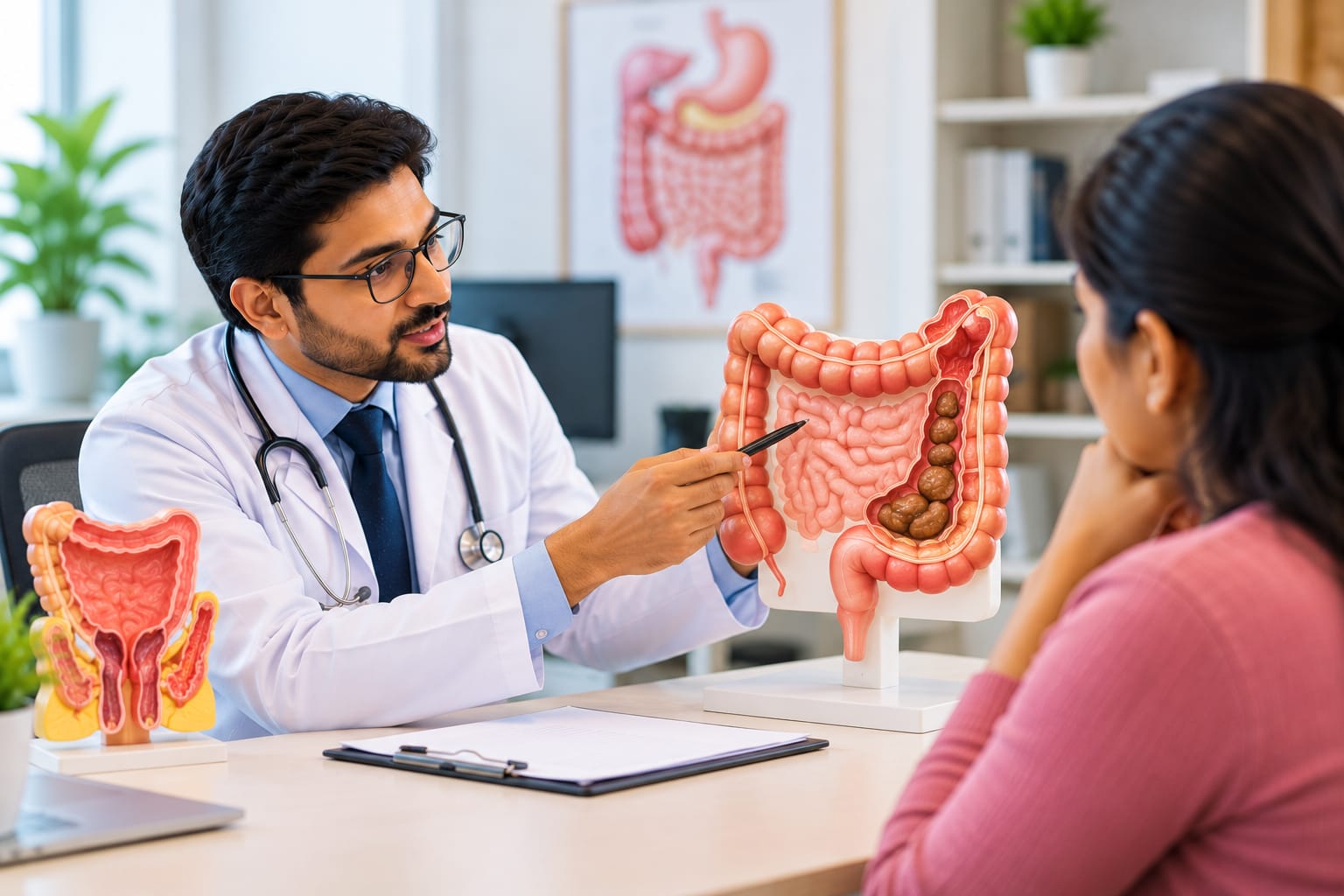
The digestive system absorbs water from stool as it moves through the colon. When stool remains in the colon for longer periods, more water can be absorbed, making the stool harder and more difficult to pass. Adequate fluid intake can help support normal stool consistency.
Regularly ignoring the urge to pass stool may allow more water to be absorbed from the stool. Over time, this can make bowel movements more difficult.
Regular movement can support normal bowel function. Long periods of inactivity may contribute to constipation in some people. Simple activities such as walking can be part of a healthy daily routine.
Travel, changes in meal timing, stress, reduced activity and changes in sleeping patterns can sometimes affect bowel habits. These changes may temporarily alter how frequently or easily someone passes stool.
Some medicines and medical conditions can contribute to constipation. If hard stools begin after starting a new medication or continue despite lifestyle changes, it is worth discussing the issue with a healthcare professional.
Not always. Occasionally passing a hard stool does not necessarily mean you have chronic constipation.
The pattern and duration of symptoms matter when understanding bowel health.
Hard stool itself does not automatically cause piles, but it can contribute to factors associated with them.
When stool is difficult to pass, people may strain repeatedly during bowel movements. Repeated straining can increase pressure around the veins in the rectal area.
This is one reason why maintaining healthy bowel habits is important.
Related reading: Can Constipation Cause Piles?
Gradually include more fruits, vegetables, whole grains, legumes and other fibre-rich foods in your diet.
Drinking enough fluids throughout the day can support normal stool consistency. Individual fluid needs can vary depending on factors such as activity, climate and health conditions.
Regular walking and other forms of physical activity can support normal bowel function.
If you repeatedly delay bowel movements, stool may remain in the colon longer and become harder.
Try to avoid repeatedly forcing a bowel movement.
Regular meal times, adequate movement and responding to your body's natural bowel signals can support a more predictable bowel routine.
Occasional hard stool is common. However, persistent or recurring bowel changes should not always be ignored.
Rectal bleeding should not automatically be attributed to constipation or piles because other conditions can also cause bleeding.

Consultant Proctologist & Laparoscopic Surgeon
MBBS, MS, FISCP, FMAS, DMAS
8 Yrs
Member — American Society of Colon & Rectal Surgeons (ASCRS)
Book Appointment
Consultant General & Advanced Laparoscopic Surgeon
MBBS, MS, FMAS
17 Yrs
Lux Hospitals shares educational resources covering digestive health, bowel habits, nutrition and colorectal health. These resources are intended to help readers better understand common health topics and make informed decisions about their health.
Verified reviews from people treated by the Lux Proctology team.
Pitti Hari Krishna
We brought my uncle to Dr. Samhitha Reddy for piles and fistula treatment. The entire process was explained clearly, and the surgeries were successful. She is the best proctology doctor in Gachibowli and very trustworthy.
Bhumana Amaranath Reddy
Dr. Samhitha Reddy treated me for a proctology issue and I am extremely satisfied. The treatment was quick and effective. She is very caring and professional. Lux Hospitals maintains good hygiene and the staff is very supportive.
A short consultation with a Lux proctology specialist can tell you what you are dealing with — and what, if anything, needs treating.
Gachibowli, Hyderabad · Seven days a week · Cashless insurance accepted
Published · Last reviewed · Next review due
This article is published for general education. It is not a diagnosis and does not replace an in-person consultation. If you are worried about a symptom, please speak to a qualified doctor.
More from the same section of the library.
Fibre-rich foods, adequate fluids, and healthy eating habits can support regular bowel movements.
5 min · Dr. Samhitha Reddy & Dr. Abhishek KathaStraining and hard stools raise pressure on the veins around the rectum — the usual starting point for piles.
4 min · Dr. Samhitha Reddy & Dr. Abhishek KathaSend it to us. Questions that come up often get written into this library and reviewed by a Lux consultant.