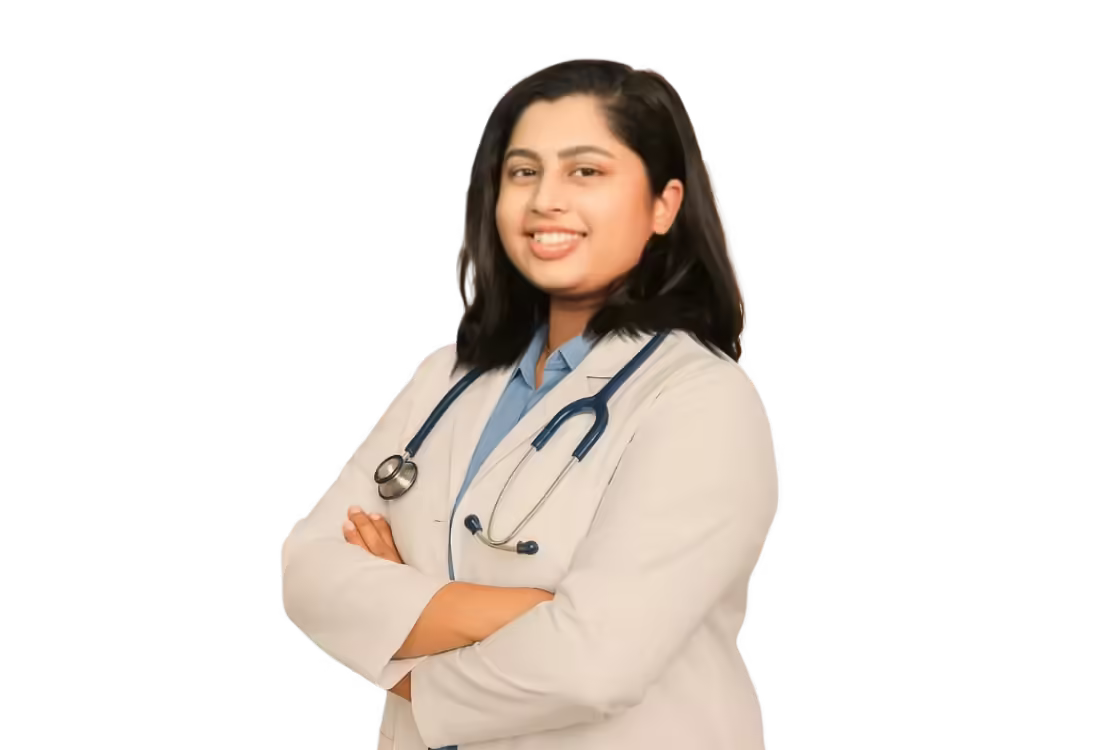
Dr. Samhitha Reddy
Consultant Proctologist & Laparoscopic Surgeon
MBBS, MS, FMAS, FISCP, DMAS
- 8 Yrs
- ASCRS Member
Dr. Samhitha Reddy, MS, FISCPConsultant Proctologist & Laparoscopic Surgeon
Dr. Abhishek Katha, MS, FMASConsultant General & Advanced Laparoscopic Surgeon
Last reviewed · 5 min read
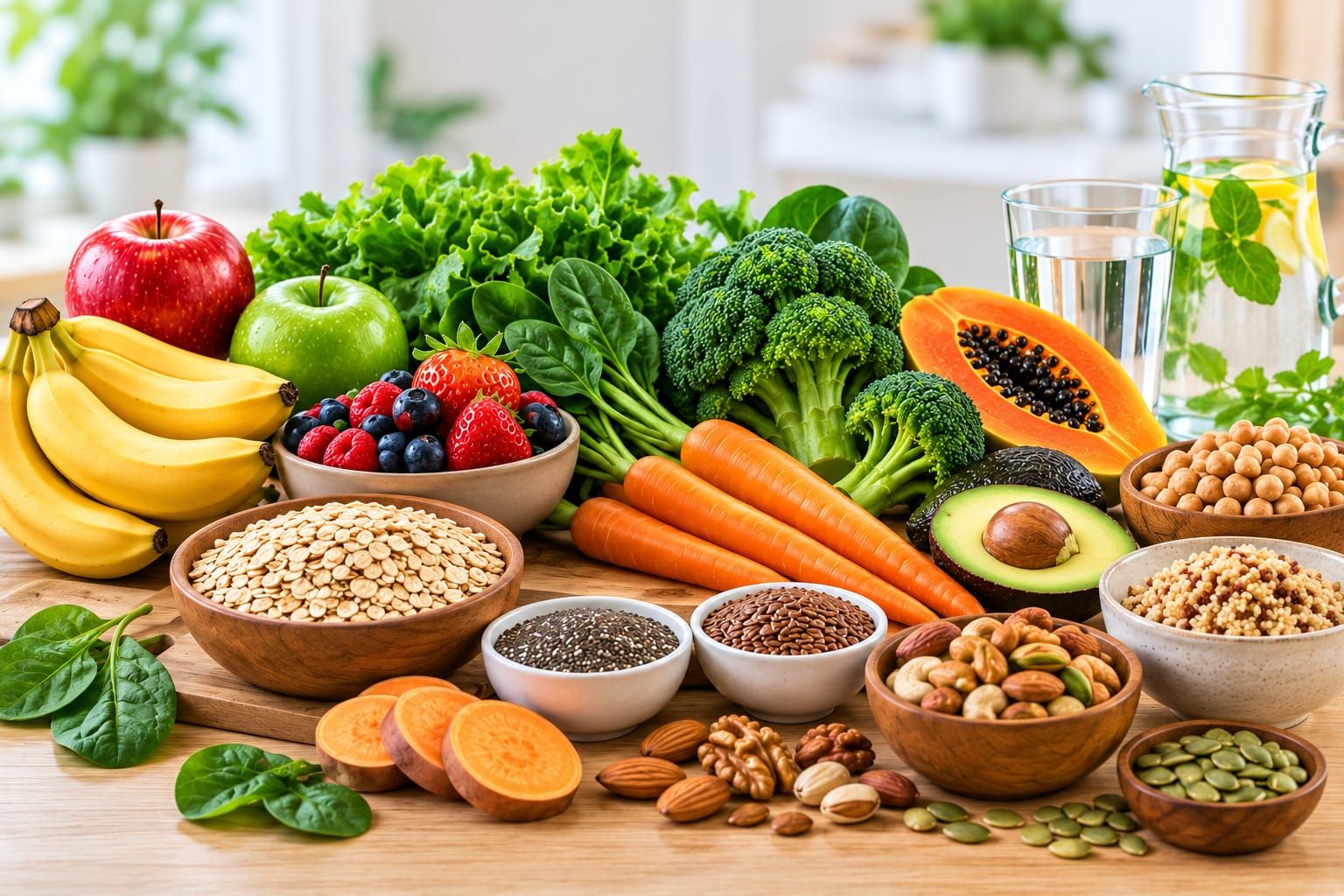
Fibre-rich foods, adequate fluids, and healthy eating habits can support regular bowel movements. Foods such as fruits, vegetables, whole grains, legumes, nuts, and seeds provide dietary fibre that helps maintain healthy stool consistency.
Along with fibre intake, staying hydrated and maintaining regular physical activity can support healthy bowel habits. On the other hand, consistently consuming too little fibre or not drinking enough fluids may contribute to harder stools and constipation.
Dietary fibre is a type of carbohydrate that the body does not fully digest.
There are different types of fibre, and many plant foods contain a combination of them.
Increasing fibre gradually is generally better than making a sudden large change, particularly if your current diet is low in fibre.
Apples provide fibre and can be an easy addition to an everyday diet.
Pears are another fruit that provides dietary fibre.
Guava can be a convenient fibre-rich fruit option and can be included as part of a balanced diet.
Vegetables such as carrots, green peas, broccoli and leafy greens can contribute fibre to meals.
Lentils, dals and other legumes provide fibre along with plant-based protein.
Chickpeas can be added to salads, curries and other meals as a fibre-rich food.
Oats contain dietary fibre and can be used as part of breakfast or other meals.
Whole-grain foods generally contain more fibre than refined grains. Examples include whole-wheat foods, brown rice, millets and oats.
Nuts and seeds can contribute fibre and healthy fats to the diet. Examples include almonds, peanuts, chia seeds and flaxseeds.
Beans and other legumes are useful sources of dietary fibre. They can be included in soups, curries, salads and other meals.
Fluids are an important part of healthy digestion.
Adequate fluid intake can help maintain normal stool consistency, particularly when dietary fibre intake increases.
However, simply drinking large amounts of water does not automatically resolve every cause of constipation. Fluid requirements differ between individuals.
It is usually better to increase fibre gradually.
Increasing fibre slowly and maintaining adequate fluid intake can make the transition easier.
The best diet depends on individual needs, preferences and health conditions.
Fibre can help support normal stool bulk and consistency.
However, the effect depends on the type and amount of fibre, fluid intake, activity levels and the underlying reason for constipation. If hard stools continue despite changes in diet and lifestyle, professional medical advice may be appropriate.
Related reading: Why Does Stool Become Hard?
Healthy bowel habits can reduce some factors associated with difficult bowel movements.
These habits can support overall bowel health.
Related reading: Can Constipation Cause Piles?
Dietary changes can support general bowel health, but persistent symptoms may have causes that require professional evaluation.
Consultant Proctologist & Laparoscopic Surgeon
MBBS, MS, FISCP, FMAS, DMAS
8 Yrs
Member — American Society of Colon & Rectal Surgeons (ASCRS)
Book Appointment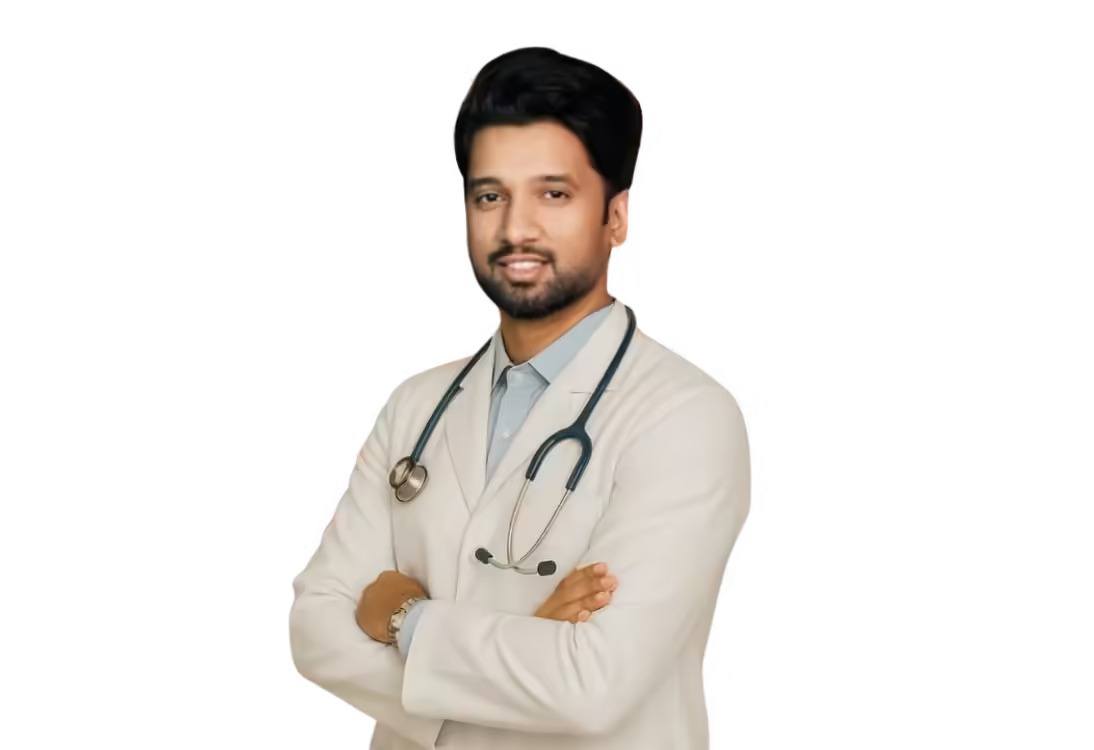
Consultant General & Advanced Laparoscopic Surgeon
MBBS, MS, FMAS
17 Yrs
Lux Hospitals shares educational resources on digestive health, nutrition, bowel habits and other health topics to help readers understand everyday health and wellness.
Verified reviews from people treated by the Lux Proctology team.
Pitti Hari Krishna
We brought my uncle to Dr. Samhitha Reddy for piles and fistula treatment. The entire process was explained clearly, and the surgeries were successful. She is the best proctology doctor in Gachibowli and very trustworthy.
Bhumana Amaranath Reddy
Dr. Samhitha Reddy treated me for a proctology issue and I am extremely satisfied. The treatment was quick and effective. She is very caring and professional. Lux Hospitals maintains good hygiene and the staff is very supportive.
A short consultation with a Lux proctology specialist can tell you what you are dealing with — and what, if anything, needs treating.
Gachibowli, Hyderabad · Seven days a week · Cashless insurance accepted
Published · Last reviewed · Next review due
This article is published for general education. It is not a diagnosis and does not replace an in-person consultation. If you are worried about a symptom, please speak to a qualified doctor.
More from the same section of the library.
Hard stool can happen when stool loses too much water or moves slowly through the digestive system, making bowel movements difficult or uncomfortable.
5 min · Dr. Samhitha Reddy & Dr. Abhishek KathaStraining and hard stools raise pressure on the veins around the rectum — the usual starting point for piles.
4 min · Dr. Samhitha Reddy & Dr. Abhishek KathaSend it to us. Questions that come up often get written into this library and reviewed by a Lux consultant.