Dr. Samhitha Reddy
Consultant Proctologist & Laparoscopic Surgeon
MBBS, MS, FMAS, FISCP, DMAS
- 8 Yrs
- ASCRS Member
Dr. Samhitha Reddy, MS, FISCPConsultant Proctologist & Laparoscopic Surgeon
Last reviewed · 8 min read
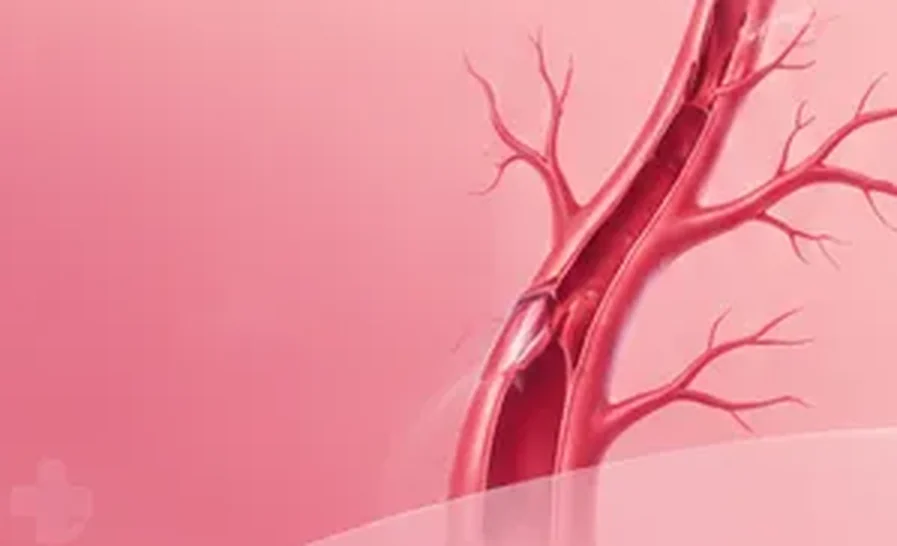
A fistula is a small tunnel connecting an infected gland inside the anal canal to the skin outside. It almost always begins as an abscess.
Once the tunnel is lined, the body cannot close it by itself, which is why fistulas recur until they are treated properly.
Consultant Proctologist & Laparoscopic Surgeon
MBBS, MS, FMAS, FISCP, DMAS
Small glands inside the anal canal can block and then become infected.
The infection collects as a painful swelling, often with fever.
Pus tracks to the skin surface. Once it drains, the pain settles — but the track remains.
A fistula that keeps discharging needs surgical assessment. Antibiotics alone treat the infection, not the tunnel.
Daycare procedures, cashless insurance, and consultations seven days a week at Gachibowli.
A short consultation with a Lux proctology specialist can tell you what you are dealing with — and what, if anything, needs treating.
Gachibowli, Hyderabad · Seven days a week · Cashless insurance accepted
Published · Last reviewed · Next review due March 2027
This article is published for general education. It is not a diagnosis and does not replace an in-person consultation. If you are worried about a symptom, please speak to a qualified doctor.
More from the same section of the library.
Surgery comes in when the tear has not healed after six to eight weeks, or keeps returning despite ointments and diet changes.
7 min · Dr. Samhitha ReddySymptomsBleeding, itching, a lump, or pain while sitting — which combinations point to piles and which point elsewhere.
6 min · Dr. Samhitha ReddyConditions A–ZInternal and external piles, how they are graded, and what each grade usually needs.
9 min · Dr. Samhitha ReddySend it to us. Questions that come up often get written into this library and reviewed by a Lux consultant.